Explain the Key Differences Between Viruses and Other Malicious Codes
And so is a virus in its most technically-correct meaning. Additionally the worm spreads copies of itself as a stand-alone program whereas the virus spreads copies of itself as a program that attaches to or embeds in other programs.

Pin On Ammara
Next explain both the potential threat posed by viruses and other malicious codes and their main effects on computers and productivity.

. For specific steps you can take to protect against malware see our Protect Against Viruses Security Threats pages. On the other hand A virus is a code which attaches itself to various files and programs which get infected in a manner that they can disrupt and corrupt a device. Virus and Malicious Code Please respond to the following.
The malicious intent of malware can take many forms including denial of access destruction or theft of data monetary theft hijacking computer resources spreading misinformation propagation of malware and many other harmful actions. Malware is a program designed to gain access to computer systems normally for the benefit of some third party without the users permission. A virus is a specific type of malware that self-replicates by inserting its code into other programs.
A type of malware that uses malicious code to install software that seems ok but is hidden to create back doors into a system. Each type of malicious code attack can wreak havoc on a defenseless IT infrastructure very quickly or wait on servers for a predetermined amount of. Next explain both the potential threat posed by viruses and other malicious codes and their main effects on computers and productivity.
Identify at least three different types of viruses and describe the main differences between each one. This typically causes loss or theft of data from an external source. Malicious code examples include backdoor attacks scripting attacks worms trojan horse and spyware.
Explain the key differences between viruses and other malicious codes. From the first e-Activity explain the key differences between viruses and other malicious codes. From the first e-Activity explain the key differences between viruses and other malicious codes.
While a virus is usually destructive a Trojan tries to pass unnoticed while accessing your device with the intention of executing hidden actions with which to open a backdoor so that other malicious programs can access it. It is capable of executing secretly when the host programfile is activated. What is a Computer Virus.
Identify at least three different types of viruses and describe the main differences between each one. Identify at least three 3 different types of viruses and describe the main differences between each one. A Worm is a form of malware that replicates itself and can spread to different computers via Network.
These and other classes of malicious software are described below. Identify at least three 3 different types of viruses and describe the main differences between each one. Other malicious codes simply trigger other codes to happen replicates other codes and allows other codes to enter.
So wherever a malware term is used it means a program which is designed to damage your computer it may be a virus worm or Trojan. The main difference between viruses and other malicious codes is the fact that viruses attach themselves to programs and propogates copies of itself. Next explain both the potential threat posed by viruses.
It is designed to get unauthorised access to a computer system generally for a third party benefit. To be classified as a virus or worm malware must have the ability to propagate. Malicious code often masquerades as good software or attaches itself to good software Some malicious programs need host programs Trojan horses malicious code hidden in a useful program logic bombs backdoors Others can exist and propagate independently Worms automated viruses Many infection vectors and propagation methods.
The primary difference between a virus and a worm is that viruses must be triggered by the activation of their host. Both viruses and worms are a type of malware. There are a few key differences in how they work.
Unlike a virus a worm is a standalone piece of malicious software that replicates itself in order to spread to other computers. A virus is malicious code that spreads by infecting existing files similar to the way a. A worm is a type of virus.
A Virus is a malicious executable code attached to another executable file which can be harmless or can modify or delete data. The difference is that a worm operates more or less independently of other files whereas a virus depends on a host program to spread itself. Malware is designed to cause damage to a stand-alone computer or a networked pc.
Malware is a catch-all term for various malicious software including viruses adware spyware browser hijacking software and fake security software. Malware is short for malicious software and used as a single term to refer to virus spy ware worm etc. Computer viruses are named after human viruses that spread from person to person.
Week 5 Discussion. Next explain both the potential threat posed by viruses and other malicious codes and their main effects on computers and productivity. Identify at least three 3 different types of viruses and describe the main differences between each one.
No malware and virus are not the same things. A computer virus is a malicious software which self-replicates and attaches itself to other filesprograms. The main objective of worms is to eat the system resources.
Whereas worms are stand-alone malicious programs that can self-replicate and propagate independently as soon as they have breached the system. Short for malicious software malware is computed code that is designed to harm or exploit any programmable device server or network. A computer virus is a program made of malicious code that can.
This page provides an overview of the most common malware applications. Three different types of. Next explain both the potential threat posed by viruses and other malicious codes and their main effects on computers and productivity.
A Virus is a malicious executable code attached to another executable file which can be harmless or can modify or delete data. The different types of Computer virus are Memory-Resident Virus Program File Virus Boot Sector Virus Stealth Virus Macro Virus and Email Virus. Explain the key differences between viruses and other malicious codes.
Viruses and worms are often used interchangeably. Computer viruses have been prominent since almost the beginning of the commercial internet. Explain the key differences between viruses and other malicious codes.
The primary difference between a worm and a virus is that a worm operates through networks and a virus can spread through any medium but usually uses copied program or data files. Difference between Virus and Malware. The first one was created in 1982 for the Apple II and other versions quickly followed.

Pin On Data Recovery

Pin On Anti Virus
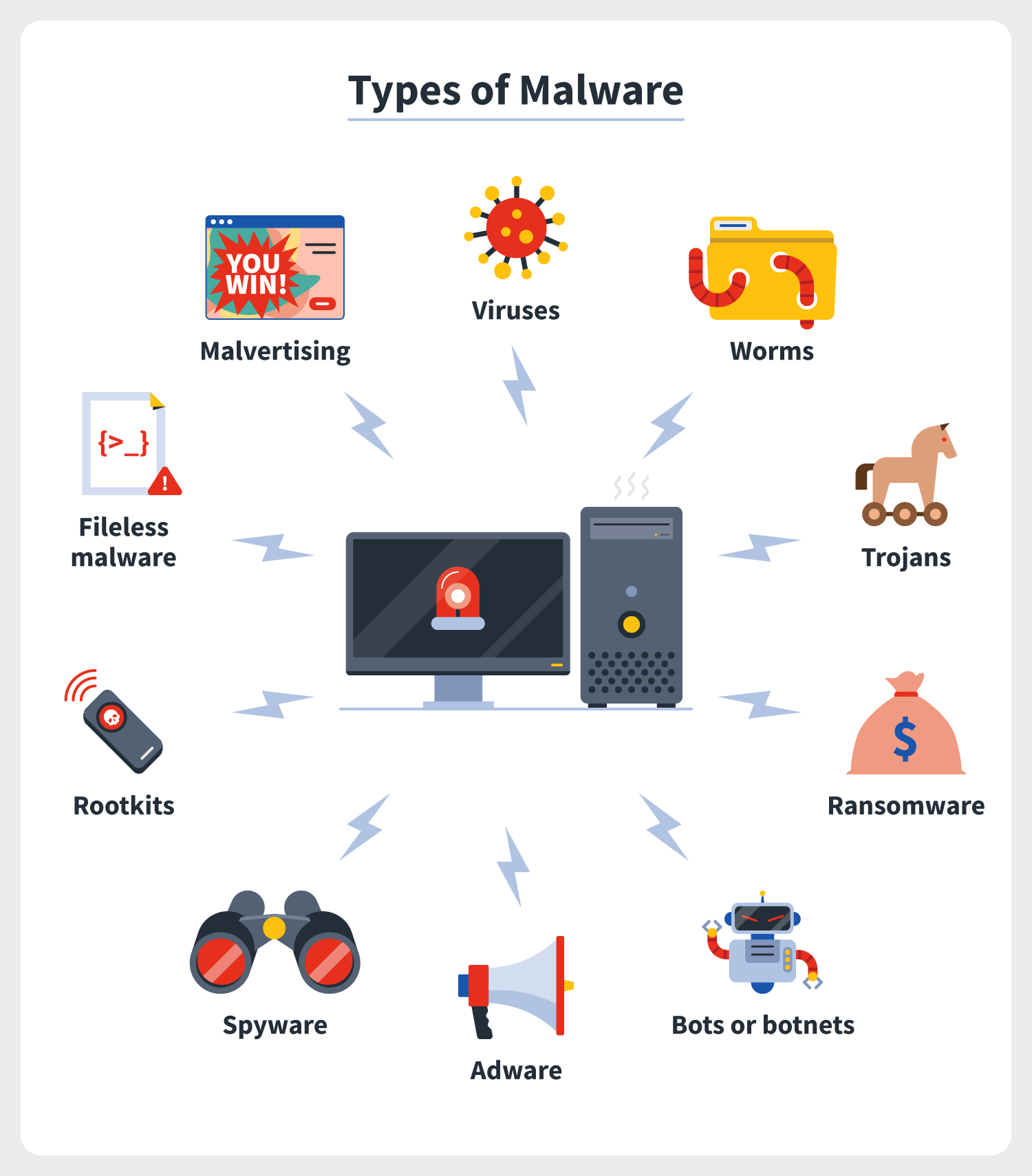
10 Types Of Malware How To Prevent Malware From The Start Norton
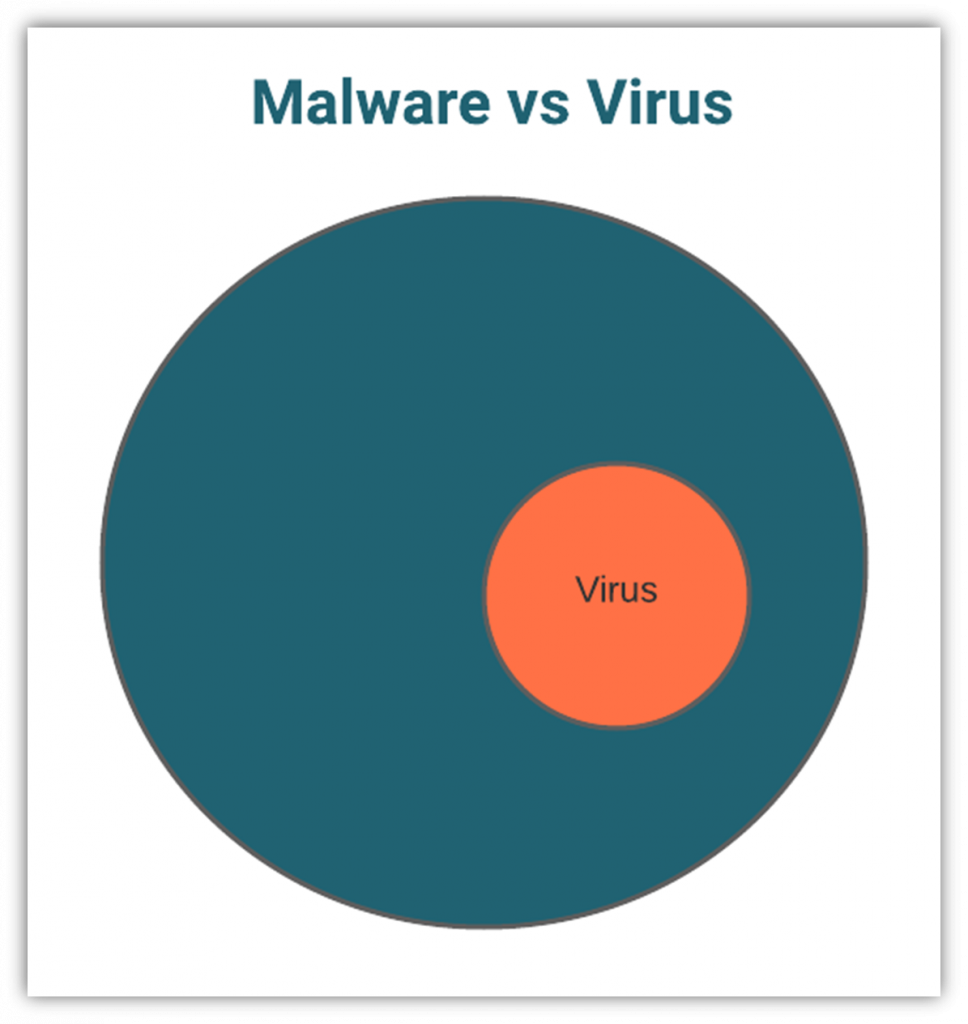
Malware Vs Virus A 4 Minute Explanation Of The Differences

What Is The Difference Between Virus And Worm Comparative Analysis

Pin On Pc Softwares
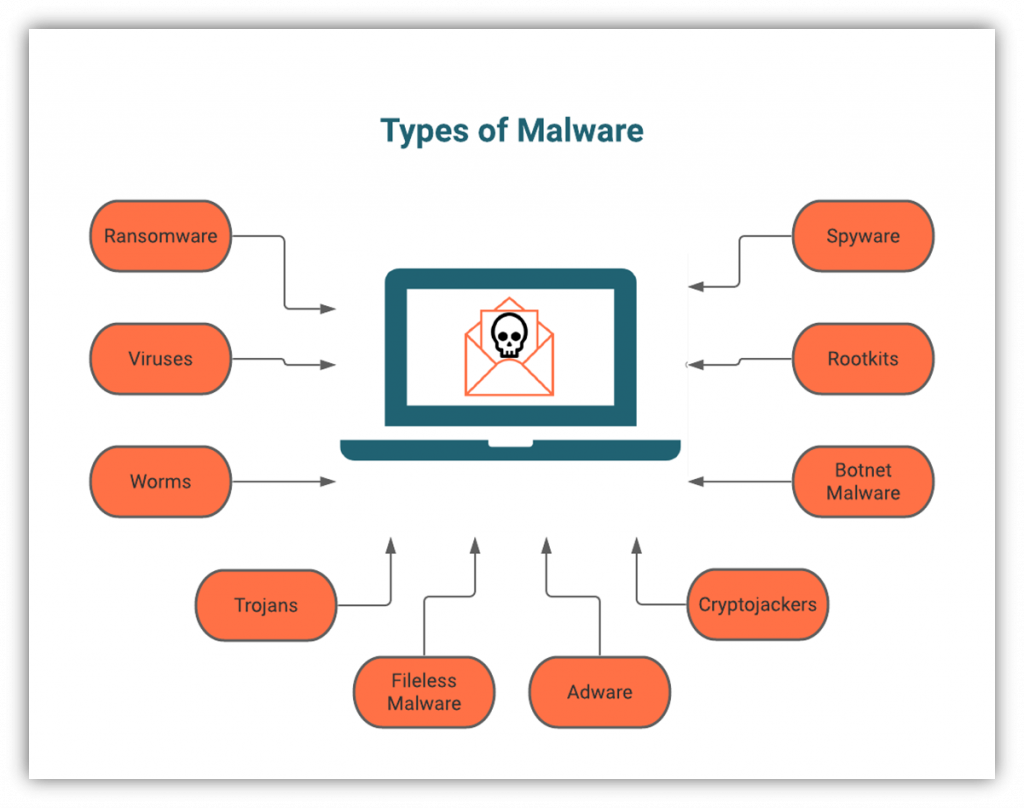
Malware Vs Virus A 4 Minute Explanation Of The Differences

Desinstaller Ads By First Freebies Tutoriel Pour Supprimer Ads By First Freebies Supprimer Les Logiciels Malveillants R How To Remove Solving Airplane Mode
Pin On Linguainfo Servives Pvt Ltd

Android Banking Malware Hitting More Users Than Ever Malware Antivirus Software Android

Remove Windows Product Key Virus Removal Guide Nov 2017 Update

Differences Between Virus And Malware Virus Vs Malware
Malware Vs Virus A 4 Minute Explanation Of The Differences

Pin On Antivirus Software

Biological Viruses Versus Computer Viruses 2020 08 21 Mission Critical Magazine

Types Of Threats Found Online Types Of Malware Threats You Need To Protect Against Cyber Security Awareness Computer Security Cyber Security Technology

Pin On Products I Love Hate Find Out Why

Malware Vs Viruses What Are The Differences Cio Insight

Top 10 Best Free Antivirus Software 2018 In India Are You Searching For A Free And Pleasant Antiviru Antivirus Software Computer Security Antivirus Protection


Comments
Post a Comment